
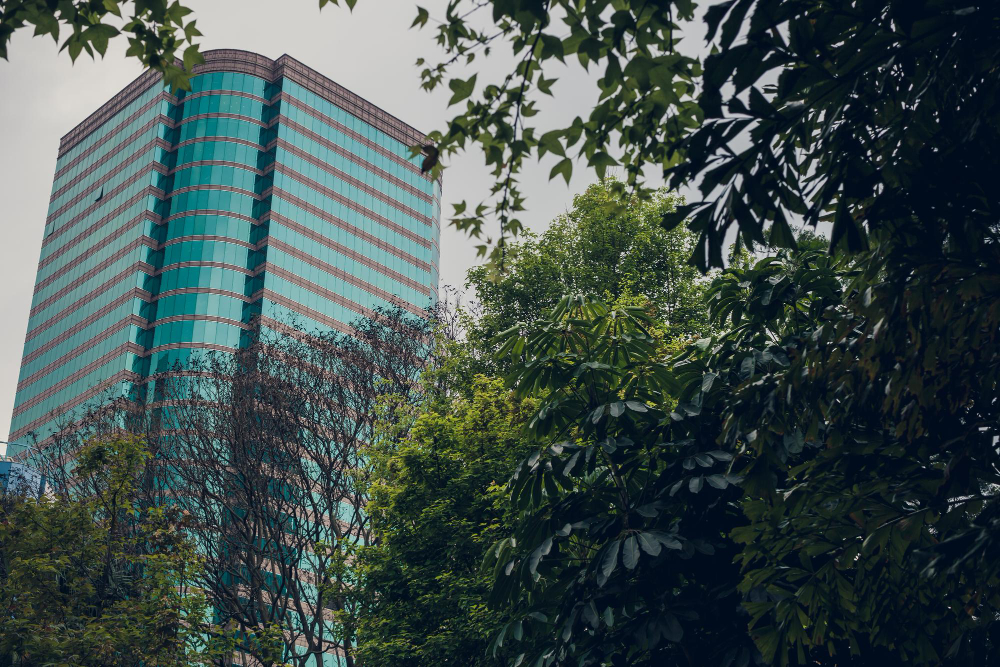
Urban Forest Initiative Plants Climate-Resilient Tree Species in City Centers
City planners have launched a new Urban Forest Initiative focused on planting climate-resilient tree species in densely populated districts. The program aims to counter rising urban temperatures, improve air quality, and create long-lasting green corridors that provide shade and ecological benefits for residents.
Tackling Urban Heat With Climate-Resilient Trees
As temperatures rise and heatwaves become more frequent, many cities are experiencing intensified urban heat island effects—a phenomenon in which concrete, asphalt, and dense building clusters trap heat. These conditions can increase energy use, reduce comfort, and impact public health.
To address this, planners are planting tree species that are:
- Heat-tolerant
- Drought-resistant
- Adaptable to compact soil
- Capable of thriving in polluted air
Species such as desert oak, honey locust, and Mediterranean olive are among those being introduced, selected specifically for their resilience in challenging climates.
Creating Long-Term Green Shade Corridors
The initiative focuses not just on planting individual trees but on establishing continuous shade corridors throughout busy neighborhoods. These corridors are designed to:
- Reduce ambient temperatures
- Provide comfortable pedestrian routes
- Improve cooling for adjacent buildings
- Create habitat pathways for local wildlife
The long-term goal is to form interconnected green networks that stretch across entire city districts.
Environmental and Community Benefits
Beyond cooling city streets, the newly planted trees offer several sustainability advantages:
- Improved air quality through natural pollutant filtration
- Reduced stormwater runoff as tree canopies slow rainfall and roots absorb water
- Enhanced biodiversity, supporting birds and beneficial insects
- Lower noise pollution thanks to natural acoustic buffering
Residents are already reporting noticeable improvements in shaded walkability along newly planted routes.
Supporting Climate Adaptation Strategies
Urban forestry is increasingly recognized as a key strategy in climate adaptation. By selecting tree species suited to hotter, drier conditions, city planners hope to ensure that green infrastructure remains resilient for decades to come.
The initiative also encourages:
- Soil restoration through organic mulching
- Smart irrigation systems that minimize water use
- Community stewardship programs for tree care
- Integration of green corridors with public transit and bike lanes
These measures help ensure that trees stay healthy even during long, dry seasons.
Community Engagement and Education
To support long-term success, planners have partnered with local schools and nonprofit groups to educate residents about the benefits of urban trees. Community volunteers participate in planting events, watering drives, and seasonal maintenance efforts.
These programs highlight how green spaces can:
- Improve quality of life
- Encourage outdoor activity
- Strengthen neighborhood identity
- Support mental well-being
Residents say they appreciate being part of a project that directly improves their environment.
Early Signs of Success
Although the initiative is still in early stages, monitoring teams have observed strong survival rates among newly planted trees. Shade coverage is expected to expand significantly within the next five to ten years as canopies mature.
Heat sensors installed in pilot neighborhoods are already recording:
- Slight temperature drops near shaded areas
- Reduced heat absorption in paved surfaces
- Increased cooling during evening hours
These encouraging results suggest the program can make meaningful progress toward climate resilience.
A Greener Future for Urban Living
The Urban Forest Initiative showcases how thoughtful planning and climate-adapted vegetation can help transform city centers into cooler, healthier, and more livable spaces. As more municipalities adopt similar strategies, urban forests are likely to play an increasingly important role in shaping sustainable city landscapes.


