
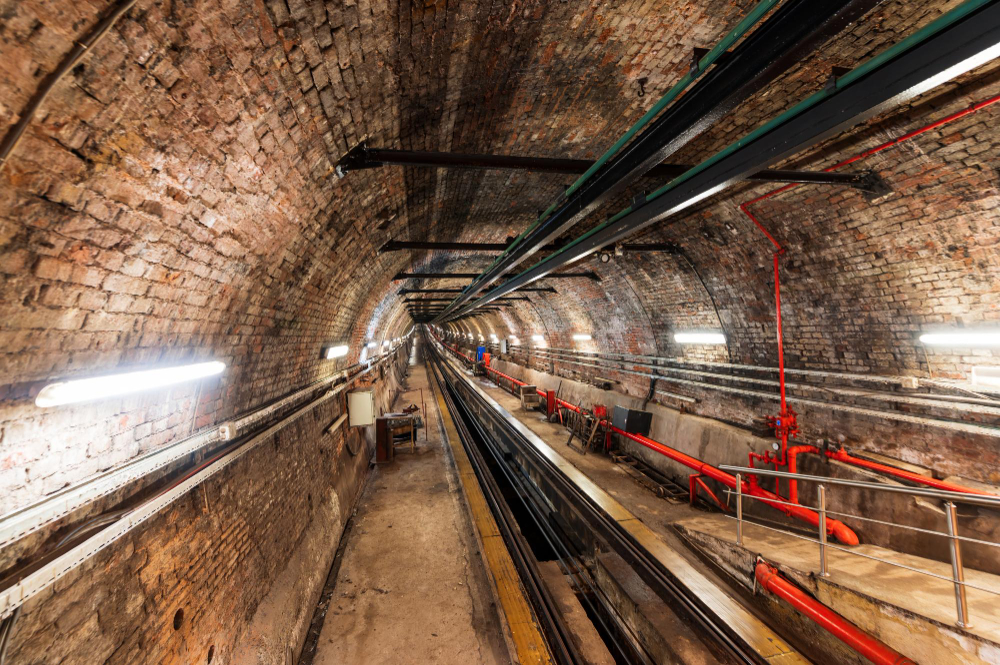
Underground Cooling Tunnels Tested to Reduce City Heat Load
Urban planners have begun testing a new underground cooling tunnel system designed to lower street-level temperatures during extreme summer heat. By circulating cool air beneath pavements, the tunnels aim to reduce heat stress in dense urban districts and improve overall comfort for pedestrians.
Addressing Rising Urban Heat Challenges
Cities worldwide are facing increasing temperatures due to climate change and the urban heat island effect, where concrete, asphalt, and buildings trap and radiate heat. This raises energy demand, worsens air quality, and creates health risks for residents.
To counter these issues, planners are exploring engineered cooling solutions that integrate with existing infrastructure. The underground tunnel system is one of the latest approaches being tested.
How the Sub-Surface Cooling Tunnels Work
The cooling tunnels run several meters below street level and operate by circulating naturally cooler air through a network of insulated channels. The system functions via:
- Air intake vents positioned in shaded areas
- Subsurface tunnels that moderate temperature through ground cooling
- Low-energy fans that guide air through the system
- Perforated pavement vents allowing cool air to rise to the streets above
As cool air escapes gradually through these vents, it lowers surface temperatures in surrounding walkways and plazas.
Early Tests Show Measurable Temperature Drops
Pilot installations in select city zones have demonstrated promising outcomes. Monitoring teams report:
- Surface temperature reductions of 2–4°C, depending on weather
- Noticeably cooler walking conditions during peak afternoon heat
- Reduced pavement heat retention, which lowers nighttime temperatures
- Stable operation with minimal energy consumption
Pedestrians in testing areas noted the cooling effect, especially in highly exposed plazas and transit hubs.
A Complementary Strategy to Green Infrastructure
While tree planting and shaded structures remain critical for cooling cities, underground tunnels offer an additional tool—particularly in areas where green spaces are limited or difficult to install.
Benefits include:
- Compatibility with narrow streets
- No need for visible structures at ground level
- Consistent cooling throughout the day
- Integration with existing utility corridors
Planners view the system as a complement rather than a replacement for traditional climate-adaptation strategies.
Potential for Expansion in Dense Urban Areas
Because the tunnels require limited aboveground space, they are especially suited for:
- Historic districts
- High-density commercial areas
- Transportation hubs
- Pedestrian-heavy corridors
Cities with hot climates or long summers may experience the most dramatic benefits.
Sustainability Features Built Into the System
The tunnels are designed for low environmental impact, using:
- Low-power ventilation systems
- Recyclable tunnel lining materials
- Existing excavation routes to reduce construction disruption
- Passive cooling principles that rely on natural underground temperatures
By avoiding heavy mechanical cooling systems, the tunnels help reduce long-term energy use.
Future Improvements Under Consideration
Researchers and urban planners are exploring several enhancements, including:
- Integrating geothermal cooling loops
- Adding sensors to optimize airflow based on real-time heat patterns
- Expanding tunnel networks beneath entire pedestrian districts
- Studying how the system interacts with green roofs and permeable pavements
More advanced models may eventually coordinate with city-wide smart infrastructure.
An Innovative Step Toward Cooler, More Livable Cities
As urban heat challenges intensify, forward-thinking infrastructure like underground cooling tunnels offers promising new ways to protect public health and improve everyday comfort. If further testing continues to show strong results, these systems could become a valuable part of future climate-resilient city planning.


