
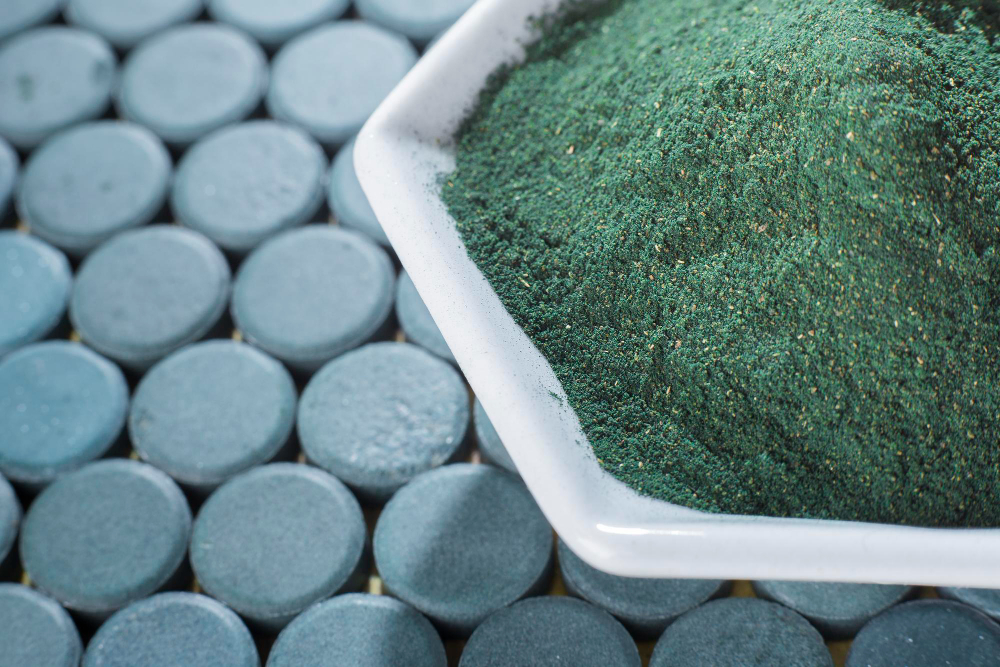
New Biodegradable Foam Packaging Made From Seaweed Fibers
A team of materials researchers has developed a promising new biodegradable foam packaging made from seaweed fibers, offering a natural alternative to petroleum-based packing materials. Early tests indicate that the seaweed foam breaks down within weeks under composting conditions while still providing strong protective cushioning for fragile items.
A Natural Solution to Packaging Waste
Traditional packing foams—such as polystyrene—are lightweight and effective but environmentally harmful. They take centuries to decompose and often end up in waterways, landfills, or dispersed into microplastics.
The new seaweed-based foam aims to address this challenge by using renewable marine resources and biodegradable bonding agents. The result is a packaging material that is both eco-friendly and functionally comparable to synthetic foams.
Key sustainability benefits include:
- Full biodegradability within weeks
- Non-toxic breakdown components
- Reduced reliance on fossil fuels
- Minimal waste during production
Researchers say the material can be safely composted in home or industrial facilities, leaving no harmful residues.
How the Seaweed Foam Is Created
The foam is made using a mixture of:
- Seaweed-derived fibers
- Natural gels and binding agents
- Water-based processes
- Low-temperature drying techniques
During manufacturing, seaweed fibers are blended and expanded into a foamy structure before being molded into protective shapes. The resulting material is lightweight yet strong enough to absorb shocks during shipping.
Because the foam is plant-based, production requires significantly less energy than traditional petrochemical foams.
Strong Performance in Early Trials
Researchers tested the foam with a range of fragile items including:
- Glass containers
- Electronics
- Ceramics
- Laboratory instruments
In drop tests and compression trials, the seaweed foam provided comparable cushioning to more common packaging foams. It retained its shape well during transport and resisted moisture within practical temperature and humidity ranges.
Additionally, decomposition tests showed:
- Noticeable structural breakdown after 1–2 weeks
- Full biodegradation by 4–6 weeks under compost conditions
- No microplastic fragments left behind
These results position the foam as a strong candidate for environmentally friendly shipping and consumer product packaging.
Potential Applications Across Industries
Because of its versatility, the seaweed foam could be used in:
- E-commerce packaging
- Consumer electronics shipping
- Food takeout containers
- Protective inserts for retail products
- Temperature-sensitive goods with added insulation layers
Companies aiming to reduce plastic waste may find the material especially attractive for sustainable packaging initiatives.
Supporting Ocean-Friendly Innovation
Seaweed cultivation itself offers notable environmental advantages:
- It grows rapidly without freshwater
- It absorbs carbon dioxide and supports marine ecosystems
- It requires no fertilizers or pesticides
Using seaweed as a raw material promotes ocean-friendly resource cycles and strengthens coastal bioeconomy efforts.
Next Steps Toward Commercial Use
The research team is now working on:
- Scaling production to meet industry demand
- Improving water resistance for high-humidity transport
- Testing additional foam densities for specialized products
- Partnering with packaging manufacturers and retailers
Pilot programs with online retailers and logistics companies are expected to begin soon.
A Promising Step Toward Sustainable Packaging
As global attention turns toward reducing plastic waste, innovations like seaweed-based foam packaging offer practical, low-impact solutions for everyday shipping needs. With strong performance and rapid biodegradation, the new material demonstrates how natural resources can help create a more sustainable packaging future.


