
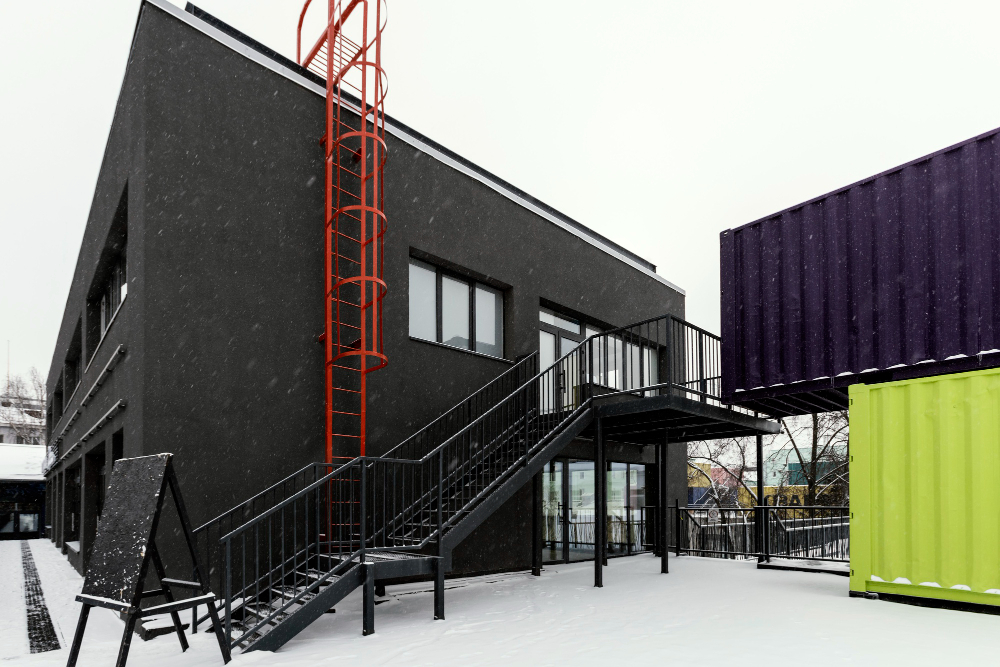
Modular Housing Units Introduced to Speed Up Disaster Recovery Efforts
Emergency response teams are beginning to deploy a new generation of modular housing units designed to accelerate disaster recovery efforts. Built from prefabricated components, the units can be fully assembled on-site in less than 24 hours, offering displaced residents a safe and stable temporary home soon after natural disasters occur.
A Faster Solution for Post-Disaster Shelter
After hurricanes, wildfires, floods, and earthquakes, communities often struggle to provide immediate shelter for families who have lost their homes. Traditional temporary housing can take days or weeks to set up, creating logistical challenges during the early stages of recovery.
The new modular units aim to reduce this delay by using standardized modules that arrive pre-engineered and ready for rapid installation. Emergency teams can transport the components easily, even into damaged or remote areas.
How the Modular Units Are Designed
Each housing unit is assembled from lightweight, durable materials that meet structural and safety standards. Key design features include:
- Prefabricated wall and roof panels that lock together
- Integrated insulation for temperature stability
- Weather-resistant exterior surfaces
- Modular flooring that requires minimal groundwork
- Optional solar panels for off-grid power
- Compact plumbing and electrical modules that connect quickly
A typical unit includes a sleeping area, small kitchen space, bathroom, and storage.
Rapid Assembly Helps Speed Recovery
Because the pieces arrive nearly ready to install, response teams can set up dozens of units within a single day. The streamlined process involves:
- Preparing a level foundation pad
- Positioning the base module
- Locking wall and roof panels into place
- Connecting utilities (or activating solar options)
- Conducting a quick safety inspection
This speed allows displaced families to move into safe shelter much earlier, easing pressure on emergency facilities and evacuation centers.
Durable and Reusable for Long-Term Value
Although designed for rapid deployment, the units are built for durability. The housing modules are:
- Wind- and impact-resistant
- Capable of withstanding harsh weather during recovery periods
- Easily transported to new locations
- Reusable for future disaster responses
Because the structure is modular, damaged components can be replaced without dismantling the entire unit.
Supporting Community Recovery Beyond Shelter
Providing quick, reliable temporary housing plays a critical role in community resilience. Benefits include:
- Helping residents return to work or school sooner
- Reducing stress on local emergency shelters
- Supporting continuity of healthcare and social services
- Creating organized temporary neighborhoods that are easier to manage
Some municipalities are exploring using the units as transitional housing during longer rebuilding timelines.
Designed With Sustainability in Mind
The units prioritize environmental efficiency through:
- Use of recyclable and low-impact materials
- Optional solar energy systems
- Water-saving fixtures
- Modular designs that minimize construction waste
Additionally, prefabrication significantly reduces emissions associated with traditional construction methods.
Future Expansion and Customization Options
Developers are already working on expanded models to support different family sizes and climates. Planned upgrades include:
- Climate-specific wall insulation kits
- Community modules such as shared kitchens or clinics
- Enhanced ventilation systems for hot or humid regions
- Add-on storage and porch units
Emergency managers are also considering integration with rapid-deployment communication systems to support coordinated recovery operations.
A Promising Advancement for Disaster Response
With their fast setup time, durable design, and adaptability, modular housing units represent a major improvement in post-disaster shelter solutions. As natural disasters become more frequent, innovations like these help communities recover more quickly and maintain stability during challenging transitions.


